

The global transition to renewable energy is accelerating at an unprecedented pace. According to the International Energy Agency, solar photovoltaic capacity is expected to triple by 2030 to meet climate goals. This massive shift creates complex challenges for businesses and homeowners alike, particularly regarding system efficiency and grid integration. Sunulex addresses these challenges through rigorous engineering and data-driven optimization strategies. This case study explores how our technical approach delivers tangible results for clients in Senegal and across West Africa.
Understanding the Energy Challenge
Many solar installations fail to meet their projected output due to poor component matching or inadequate monitoring. In regions with high ambient temperatures, such as Dakar, standard panels can suffer from significant efficiency losses. Heat degrades the semiconductor materials, reducing voltage output over time. This phenomenon is known as the temperature coefficient effect. Without proper mitigation, systems can lose up to 15% of their potential energy yield during peak summer months.
Furthermore, grid instability in developing markets requires robust hybrid solutions. A system that relies solely on battery storage without intelligent load management faces rapid degradation. Batteries cycle too frequently, shortening their lifespan and increasing long-term costs. Clients often struggle to understand why their initial investment does not yield the expected return on investment. The core issue is rarely the solar panels themselves but rather the lack of holistic system design.
Sunulex identifies these pain points early in the consultation phase. We analyze local weather patterns, historical grid data, and specific energy consumption profiles. This diagnostic process ensures that every recommendation is tailored to the unique environmental and operational context of the client. By addressing these foundational issues, we prevent costly retrofits and ensure long-term reliability.
The Sunulex Technical Framework
Our methodology is built on three pillars: precision engineering, intelligent monitoring, and proactive maintenance. Each pillar is critical to maximizing the lifetime value of a solar installation. Precision engineering involves selecting components that complement each other electrically and mechanically. Intelligent monitoring provides real-time visibility into system health. Proactive maintenance prevents small issues from becoming catastrophic failures.
Solar energy is the conversion of sunlight into electricity using photovoltaic cells. However, the efficiency of this conversion depends heavily on the inverter technology and battery chemistry used. Sunulex utilizes high-efficiency string inverters with module-level power electronics. This setup allows individual panels to operate at their maximum power point, even if shading or soiling affects adjacent units. This technology is crucial for maximizing energy harvest in dense urban environments.
We also emphasize the importance of data analytics. Modern solar systems generate vast amounts of operational data. This data shows patterns in energy production and consumption that are invisible to the naked eye. By analyzing this data, we can identify inefficiencies and adjust system parameters remotely. This continuous optimization loop ensures that the system performs at its peak throughout its entire lifecycle.
Implementation and Hardware Selection
The success of any solar project hinges on the quality of its hardware. Sunulex partners with leading global manufacturers to source Tier-1 solar panels and industrial-grade inverters. We do not compromise on component quality to reduce upfront costs. Instead, we focus on total cost of ownership, which includes maintenance, replacement, and energy savings over 25 years.
For battery storage, we evaluate lithium-ion chemistries based on cycle life and depth of discharge. Lithium iron phosphate batteries are often preferred for their safety and longevity in high-temperature climates. These batteries offer a stable voltage curve and resist thermal runaway better than other chemistries. This stability is essential for ensuring the safety of residential and commercial installations.
Installation practices are equally important. Proper mounting structures must withstand local wind loads and corrosion risks. We use galvanized steel or aluminum alloys with specialized coatings to protect against salt air in coastal areas. Electrical wiring is sized to minimize voltage drop, ensuring that maximum power reaches the inverter and the load. Every connection is torqued to specification and tested for continuity.
Performance Metrics and ROI
Measuring the success of a solar installation requires clear, quantifiable metrics. We track several key performance indicators to evaluate system health. These include the Performance Ratio, which compares actual output to theoretical output. A high Performance Ratio indicates minimal losses due to heat, shading, or equipment failure.
Another critical metric is the Levelized Cost of Energy. This metric calculates the average cost per kilowatt-hour over the system's lifetime. By optimizing component selection and installation quality, Sunulex significantly lowers this cost. Clients often see a reduction in their electricity bills by 40% to 60% within the first year of operation. This rapid payback period makes solar an attractive investment for both households and businesses.
Reliability is also a major factor in ROI. Systems installed by Sunulex demonstrate higher availability rates compared to industry averages. This reliability is due to our rigorous commissioning process and ongoing monitoring. When a system is down, energy is lost, and revenue is impacted. Our proactive approach minimizes downtime, ensuring consistent energy supply.
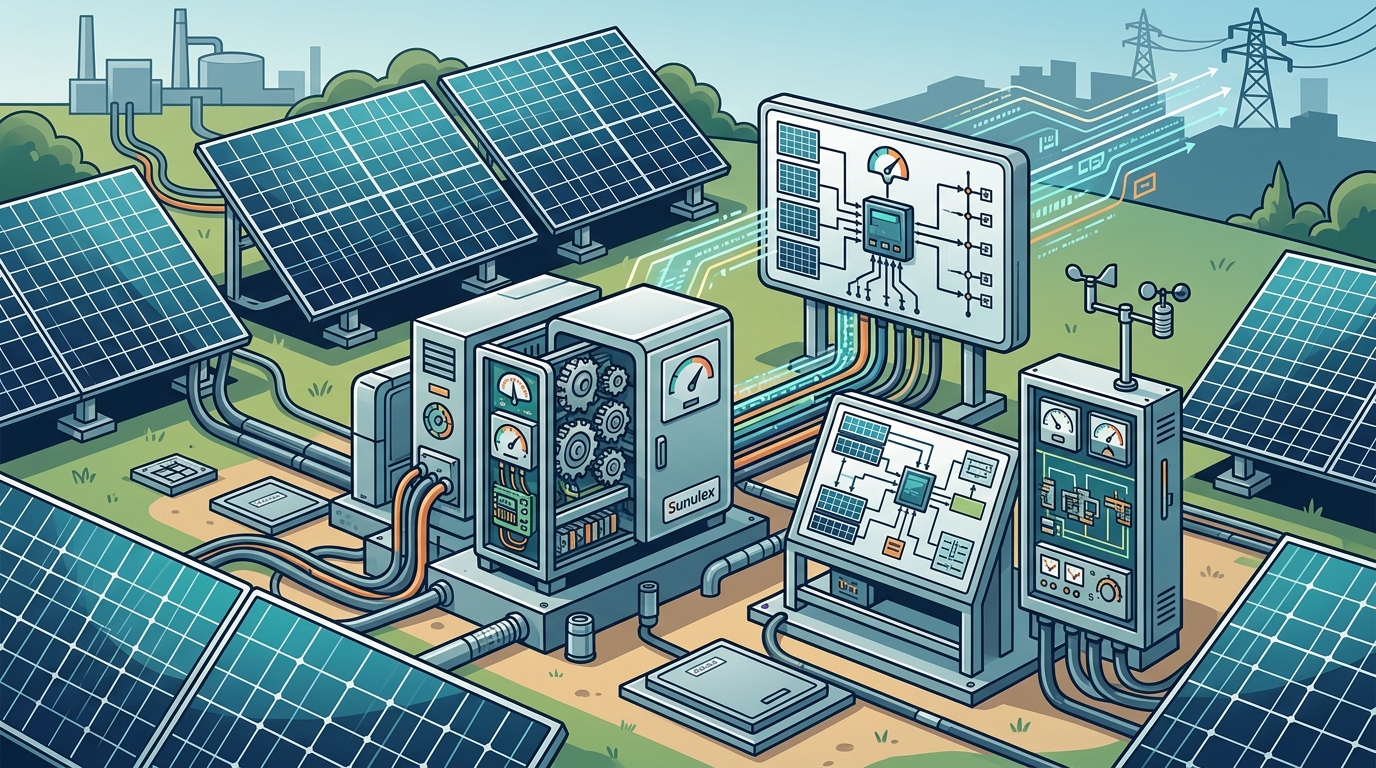
Comparing Standard vs. Optimized Systems
To illustrate the value of our approach, we compare a standard off-the-shelf installation with a Sunulex-optimized system. The table below highlights the differences in components, monitoring, and long-term outcomes.
| Feature | Standard Installation | Sunulex Optimized System |
|---|---|---|
| Panel Technology | Standard Monocrystalline | High-Efficiency Bifacial Panels |
| Inverter Type | Central String Inverter | Hybrid Inverter with MPPT Optimization |
| Battery Chemistry | Lithium Iron Phosphate | Industrial-Grade LiFePO4 with BMS |
| Monitoring | Basic App Access | Real-Time Analytics Dashboard |
| Maintenance | Reactive (Break-Fix) | Proactive Predictive Maintenance |
| Expected ROI | 7-9 Years | 5-7 Years |
The data shows that while the upfront cost of an optimized system may be slightly higher, the long-term benefits are substantial. Lower maintenance costs and higher energy yields contribute to a faster payback period. This financial advantage is compounded by the increased reliability and peace of mind for the client.
Key Takeaways
- Solar energy efficiency is heavily influenced by local climate conditions, particularly temperature.
- Intelligent monitoring allows for remote diagnostics and continuous performance optimization.
- High-quality components reduce the total cost of ownership over the system's 25-year lifespan.
- Proper hardware selection, such as LiFePO4 batteries, ensures safety in high-heat environments.
- Performance Ratio is a critical metric for evaluating system health and identifying losses.
- Sunulex's proactive maintenance model minimizes downtime and maximizes energy yield.
- Optimized systems typically achieve a faster return on investment compared to standard installations.
Frequently Asked Questions
How does Sunulex ensure system reliability in high temperatures?
We select components with low temperature coefficients and use ventilation strategies to keep inverters and batteries cool. This prevents efficiency losses and extends component life.
What is the typical payback period for a solar installation in Senegal?
Depending on the system size and electricity rates, the payback period is typically between 5 and 7 years for optimized systems. This is shorter than standard installations due to higher efficiency.
Do you offer remote monitoring for solar systems?
Yes, all Sunulex installations come with a comprehensive monitoring dashboard. This allows clients to track energy production, consumption, and battery status in real-time.
How often does solar panel maintenance require cleaning?
In dusty environments, panels may need cleaning every 3 to 6 months. Sunulex provides guidance on cleaning schedules and offers professional cleaning services to maintain peak performance.
Can I expand my solar system in the future?
Yes, our hybrid inverters and modular battery designs allow for easy expansion. We design systems with future growth in mind, ensuring compatibility with additional panels or batteries.
What warranty do you provide on solar installations?
We provide comprehensive warranties on both workmanship and equipment. This includes a 10-year workmanship warranty and manufacturer warranties for panels and inverters, which typically last 25 years.
Is battery storage necessary for a solar system?
Battery storage is not strictly necessary but is highly recommended for grid-independent operation. It provides energy security during outages and allows for energy arbitrage by storing cheap solar power for use during peak hours.
Start Your Solar Journey
Ready to optimize your energy future? Contact Sunulex today to schedule a consultation. Our team of experts is ready to design a system that meets your specific needs and budget. Visit our services page to learn more about our offerings. You can also explore our blog for more insights on solar technology. For immediate assistance, please contact us directly. We look forward to helping you achieve energy independence.