

Preparation and Name Reservation
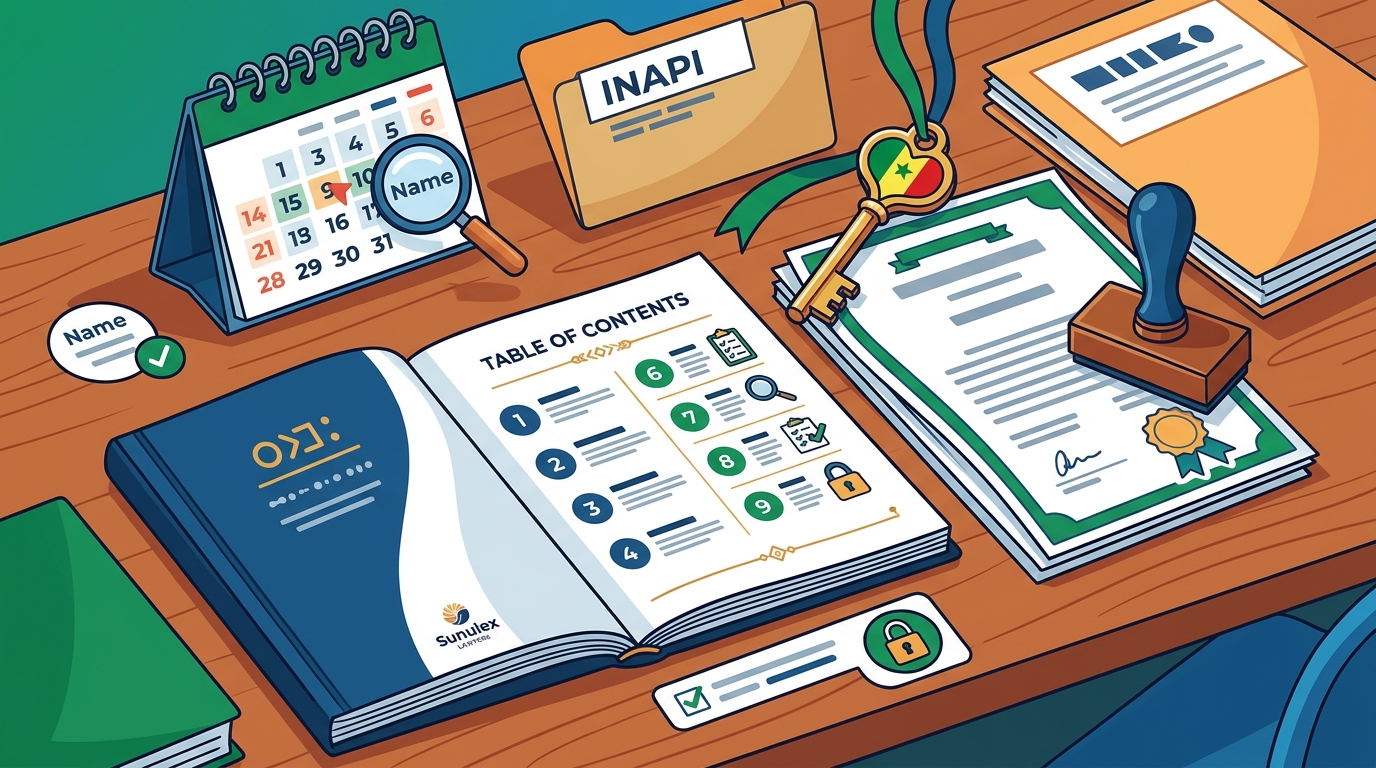
The first phase of business registration is establishing the legal identity of the entity. Before any formal filing, you must secure a unique trade name. This process begins with a search at the National Institute of Intellectual Property (INAPI) to ensure the name is not already in use. Once the name is cleared, you must obtain a preliminary registration certificate. This document is essential for opening a bank account and proceeding with the next steps. It serves as the initial proof of your intent to form a legal entity in the jurisdiction.
Drafting and Notarizing Statutes
Company statutes define the internal rules and structure of the business. In Senegal, these documents must be drafted by a lawyer and authenticated by a notary public. The statutes must specify the company type, such as a Limited Liability Company (SARL) or a Joint Stock Company (SA). They also detail the share capital, management structure, and liability limits. This legal framework protects shareholders and defines the operational boundaries of the firm. A properly drafted statute is a mandatory requirement for the registration authority.
Capital Deposit and Bank Verification
Senegalese law requires a minimum share capital for most company types. For a Limited Liability Company, the minimum capital is typically 1,000,000 XOF. This amount must be deposited into a blocked bank account in the name of the future company. The bank issues a certificate of deposit, which is a critical document for the final registration. This step proves that the company has the necessary financial foundation to operate. The funds remain blocked until the company is officially registered and active.
Final Registration and Tax Identification
Once the statutes are notarized and the capital is deposited, you submit the file to the Central Business Registration Center (CRCC). The CRCC reviews the documents and issues the Trade Register Extract. This document is the legal birth certificate of the company. Simultaneously, you must register with the tax authorities to obtain a Tax Identification Number (TIN). This number is required for all financial transactions and tax filings. The process typically takes a few weeks, depending on the completeness of the file.
Post-Registration Compliance
After registration, the company must complete several administrative tasks to become fully operational. You must publish a legal notice in an approved newspaper. This notice informs the public of the company's formation and key details. Additionally, you must register with the social security agency if you plan to hire employees. These steps ensure that the company is visible and compliant with labor and public disclosure laws. Failure to complete these steps can result in administrative penalties.
Key Takeaways
- Name reservation is the first mandatory step in the Senegalese registration process.
- Statutes must be drafted by a lawyer and authenticated by a notary.
- A minimum capital deposit is required and must be verified by a bank.
- The CRCC issues the final Trade Register Extract upon approval.
- A Tax Identification Number is required for all financial operations.
Frequently Asked Questions
How long does company registration take in Senegal?
The process typically takes 4 to 8 weeks, depending on the complexity of the file and the responsiveness of the administrative bodies.
What is the minimum capital for a SARL in Senegal?
The minimum share capital for a Limited Liability Company (SARL) is 1,000,000 XOF.
Do I need a local lawyer to register a company?
Yes, Senegalese law requires that company statutes be drafted by a lawyer and authenticated by a notary.
Can foreigners register a company in Senegal?
Yes, foreigners can register companies in Senegal, subject to specific sectoral regulations and capital requirements.
What is the role of the CRCC?
The Central Business Registration Center (CRCC) is the primary authority that issues the Trade Register Extract and manages company registration. Learn more: sunulex sn.